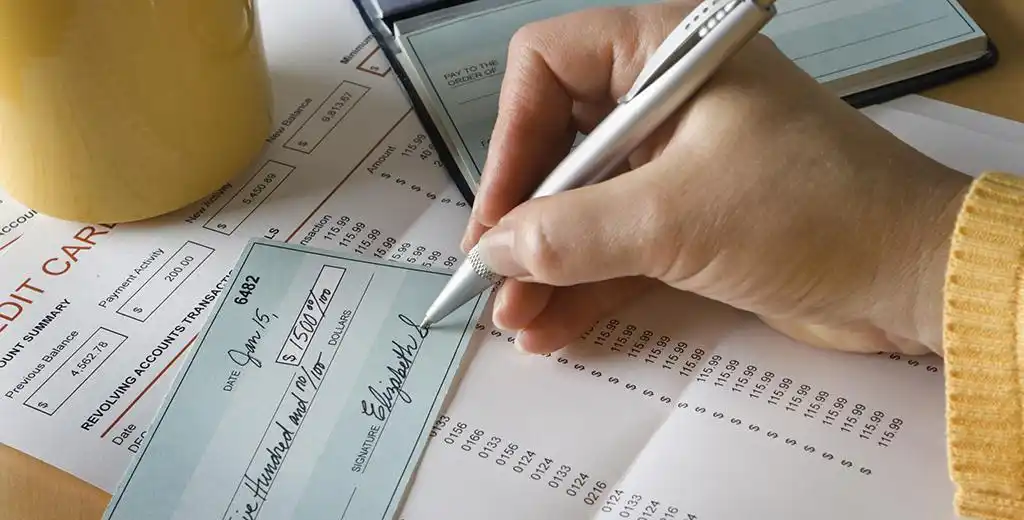
Checking accounts play an essential role in managing personal finances. They facilitate easy access to funds for daily transactions and provide tools for budgeting. Users can deposit, withdraw, and monitor their spending with online banking features.
Understanding the functions and benefits of checking accounts can empower individuals to make informed financial decisions. Yet, many overlook key aspects that can enhance their budgeting efforts. Exploring these elements can lead to more effective financial management.
Key Takeaways
- Checking accounts are essential for daily transactions, enabling easy deposits and withdrawals through various methods like ATMs and electronic transfers.
- Online banking features allow real-time tracking of spending, helping you stay within your budget and avoid overdraft fees.
- Setting up automatic transfers to savings can promote disciplined saving and improve your financial health.
- Regularly reviewing statements helps identify spending patterns and catch any potential fraudulent transactions early.
- Utilizing budgeting tools and apps provided by banks enhances expense monitoring and supports effective financial decision-making.
Understanding How Checking Accounts Work
Understanding how checking accounts work is essential for effective financial management. A checking account serves as a primary hub for daily transactions, allowing individuals to deposit and withdraw funds easily. Deposits can be made via direct deposit, cash, or checks, while withdrawals can occur through ATMs, checks, or electronic transfers. Many checking accounts also offer online banking features, enabling users to track their spending and manage their finances effortlessly. Regular monitoring of account activity helps individuals avoid overdraft fees and maintain a budget. By grasping how checking accounts work, individuals can enhance their financial literacy, fostering a sense of belonging within a community that values responsible money management.
Top Features of Checking Accounts for Budgeting
Checking accounts come equipped with several features that can greatly aid in budgeting. One key feature is online banking, which allows users to track transactions in real-time, making it easier to monitor spending. Many accounts also offer mobile apps that provide instant alerts for deposits and withdrawals, helping individuals stay aware of their financial status. Additionally, customizable categories for spending can assist in setting and sticking to a budget. Automatic transfers to savings accounts encourage a disciplined approach to saving. Moreover, some checking accounts provide budgeting tools and financial insights, enabling users to make informed decisions. Collectively, these features empower individuals to manage their finances effectively and foster a sense of belonging in their financial journey.
How to Pick the Best Checking Account for You?
Selecting the right checking account is a significant step in effective budget management. Individuals should first assess their banking needs, considering factors like transaction frequency and online access. Comparing fees is vital; some accounts may charge monthly maintenance fees, while others offer free services. Interest rates, though often minimal, can impact savings. Moreover, accessibility to ATMs and branch locations is essential for convenience. Evaluating features like overdraft protection and mobile banking capabilities can enhance the banking experience. Additionally, reading customer reviews helps gauge a bank’s reputation and service quality. By thoughtfully considering these factors, individuals can choose a checking account that aligns with their financial goals, ensuring a smoother budgeting process in everyday life.

Effective Strategies for Managing Your Checking Account
Managing a checking account effectively requires a proactive approach to budgeting and financial oversight. Individuals can benefit from regularly reviewing their account statements to track spending patterns and identify any discrepancies. Setting up automatic transfers to savings can also help maintain financial discipline and build an emergency fund. Utilizing budgeting apps or spreadsheets allows for real-time monitoring of expenses, ensuring that individuals stay within their limits. Additionally, maintaining a cushion in the checking account can prevent overdrafts and associated fees. Regularly reassessing account features, such as fees and interest rates, can lead to better financial choices. By implementing these strategies, individuals can navigate how checking accounts work and foster a healthy financial future.
Common Mistakes to Avoid With Checking Accounts
Many individuals unknowingly make mistakes that can lead to unnecessary fees and financial stress when it comes to their checking accounts. One common error is failing to monitor account balances, which can result in overdraft fees. Additionally, not understanding the terms of the account, such as monthly maintenance fees or minimum balance requirements, can lead to unexpected charges. Another mistake is using ATMs outside the bank’s network, incurring extra fees. Moreover, neglecting to regularly review bank statements may allow unnoticed fraudulent transactions to persist. Finally, many overlook the benefits of budgeting tools offered by banks, which can help in tracking expenses. By avoiding these pitfalls, individuals can better manage their finances and fully understand how checking accounts work.
Frequently Asked Questions
Can I Use My Checking Account for International Transactions?
Yes, a checking account can be used for international transactions, but it’s essential to verify the bank’s policies and any associated fees. Understanding these details guarantees smooth management of finances during overseas activities.
What Happens if I Overdraft My Checking Account?
If an individual overdrafts their checking account, they may incur fees and interest charges. The bank might cover the transaction, but repeated overdrafts can lead to account restrictions or closure, impacting financial stability.
How Often Should I Check My Account Balance?
Individuals should check their account balance at least once a week to monitor spending and avoid overdrafts. Regularly reviewing balances fosters financial awareness, helping to maintain control over personal budgets and financial goals.
Are There Any Fees for Closing a Checking Account?
Closing a checking account may incur fees, depending on the bank’s policies. Factors like account type, timing, and remaining balance can influence these fees, so it’s advisable to review the account agreement beforehand.
Can I Link My Checking Account to Savings Accounts?
Yes, individuals can link their checking accounts to savings accounts. This feature allows for easy transfers between accounts, helping to manage finances effectively and promoting better budgeting practices for enhanced financial security and peace of mind.
Conclusion
To sum up, checking accounts play a crucial role in daily financial management, offering essential tools for budgeting and expense tracking. By understanding their features and selecting the right account, individuals can enhance their financial awareness and discipline. Implementing effective strategies and avoiding common pitfalls will further optimize the benefits of a checking account. Ultimately, these accounts serve as a foundational element for achieving sound financial health and successfully managing personal finances.
You May Also Like To Read: